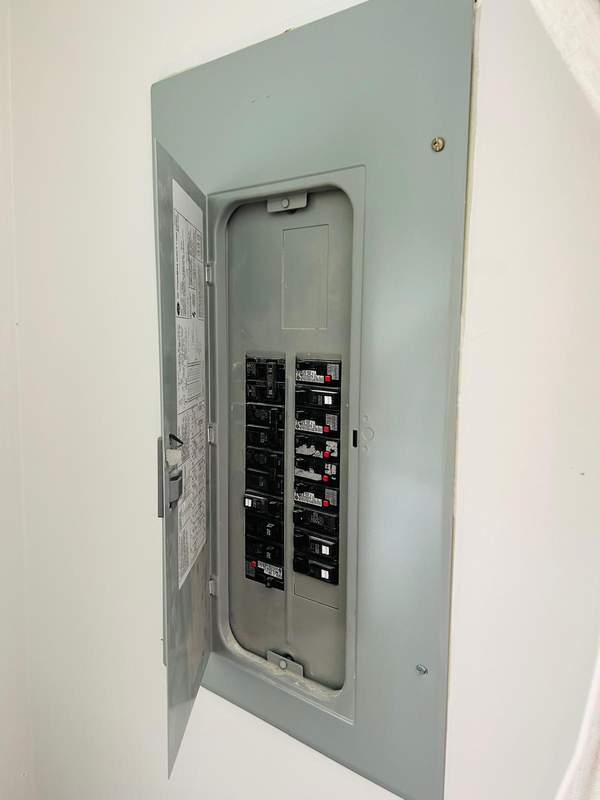
Electrical panels are often the unsung heroes of a home, silently distributing power to every corner. However, they can also be sources of potential hazards if warning signals go unnoticed. Understanding these signals is crucial for homeowners and property buyers to ensure safety and avoid costly repairs. Professional home inspections can unveil these hidden messages, preventing future issues and safeguarding the investment.
Recognizing Warning Sounds
Electrical panels can emit various sounds that act as warning signals. Buzzing or humming noises may indicate overloaded circuits or loose connections, both of which can lead to overheating and potential fire risks. It’s vital to address these sounds by consulting a professional to assess and remedy the situation.
- Buzzing: Often linked to circuit overload or defective breakers.
- Clicking: May suggest a breaker is tripping repeatedly, signaling an underlying electrical issue.
Visual Indicators of Trouble
Visual cues within an electrical panel can also indicate potential problems. Discolored or charred wires are a clear sign of excessive heat, while corrosion or moisture inside the panel can lead to short circuits. Homeowners should ensure regular inspections to identify these issues early.
- Check for signs of moisture or rust.
- Inspect wires for discoloration or damage.
- Ensure all panel covers and screws are secure.
Industry Standards and Safety Regulations
Adhering to industry standards and safety regulations is essential for maintaining electrical system integrity. The National Electrical Code (NEC) provides guidelines that dictate safe electrical practices. Ensuring compliance with these standards during installation or renovations can prevent many common electrical panel issues.
- Ensure installations meet NEC requirements.
- Regularly update older panels to comply with current standards.
In conclusion, the subtle warnings of electrical panels should never be ignored. Recognizing these signs and seeking professional inspection services can prevent hazards, ensuring the safety and longevity of a property’s electrical system. Homeowners are encouraged to schedule regular inspections to maintain peace of mind and protect their investment.